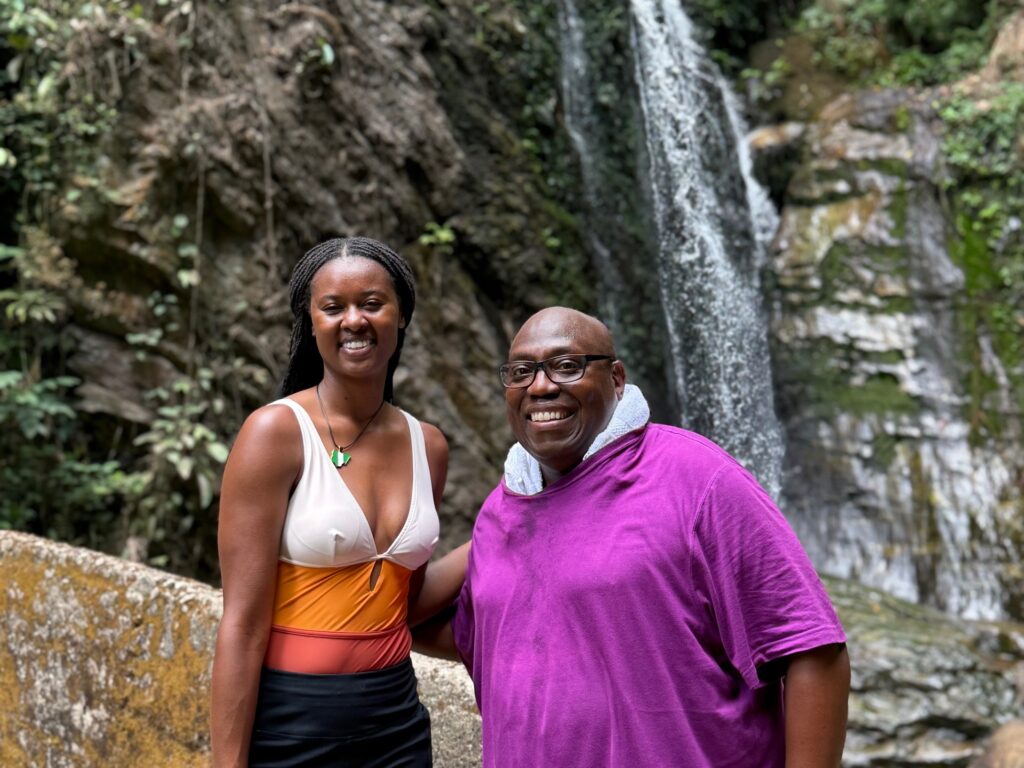
For millions of people across the African diaspora, a DNA test has become the beginning of a journey rather than the end of one. Discovering Yoruba, Igbo, or other Nigerian heritage through AncestryDNA or 23andMe raises a question that no report can fully answer on its own: what now?
For a growing number of travelers, the answer is to go. To actually stand on the soil their ancestors came from, to meet the people, to taste the food, to hear the languages, and to feel something that no amount of research can replicate. We have been guiding these travelers to Nigeria for years, and what we witness on these trips is unlike anything else we do.
This is what you need to know if you are considering making that journey.
The Point of No Return
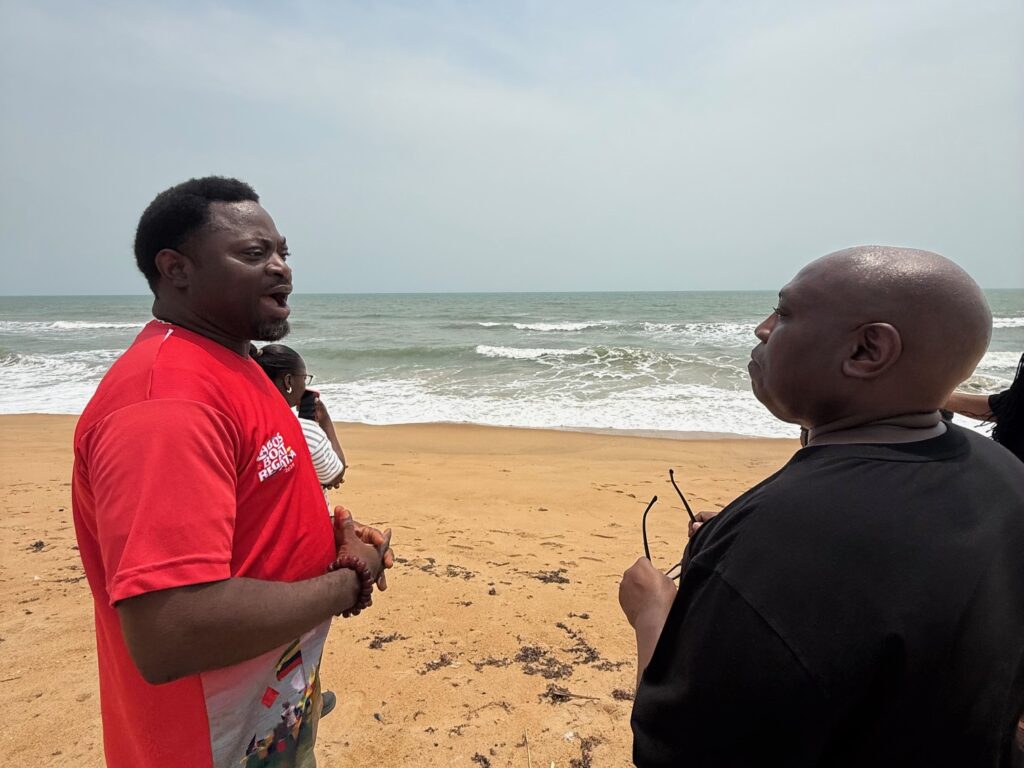
One of the most significant stops on our itinerary is Badagry, a historic coastal town just outside Lagos that played a central role in the transatlantic slave trade. At the heart of Badagry is what is known as the Point of No Return, the place where enslaved Africans took their final steps on the continent before being loaded onto ships bound for the Americas and the Caribbean.
For travelers who have just discovered their Nigerian heritage through a DNA test, standing at the Point of No Return is an experience that is almost impossible to put into words. We have watched guests weep. We have watched them stand in silence for a long time. We have watched them emerge from the experience with something that looks like resolution.
Our guides do not rush this. They go deeply into the history, presenting multiple perspectives on the slave trade and helping guests understand not just what happened, but the world that existed before it. The Yoruba civilization that was here before colonialism, the communities that were torn apart, and the thread of culture and identity that survived across centuries and oceans.
Where We Go and What You Will See
Beyond Badagry our itinerary includes several stops that speak directly to diaspora travelers tracing their roots.
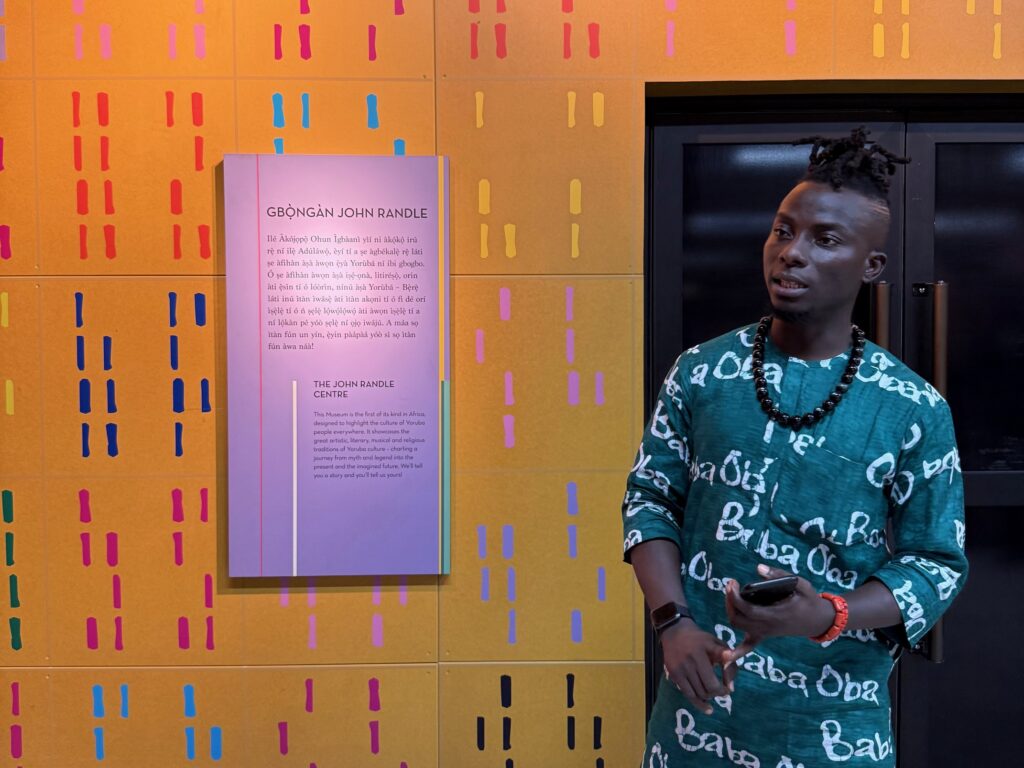
The J. Randle Center for Yoruba Culture and History in Lagos is one of the most important cultural institutions in West Africa for understanding Yoruba identity before and during the era of the slave trade. It is an extraordinary place to visit for anyone who has discovered Yoruba heritage and wants to understand what that actually means historically and culturally.
The Museum of Unity in Ibadan takes a broader view, covering Nigerian history in depth and giving visitors a vivid picture of what life looked like before colonialism changed everything. For guests who are piecing together a picture of who their ancestors were and where they came from, this museum provides context that is genuinely moving.
The Welcome You Will Receive
One of the things that surprises our guests most is how Nigerians themselves respond to diaspora visitors. There is a warmth and a recognition that goes beyond ordinary hospitality. Again and again our guests tell us that Nigerians on the street, in markets, in restaurants, and in communities greet them with open arms.
The phrase we hear more than any other, from Nigerians welcoming diaspora visitors, is simply this: Welcome home.
For someone who has spent their life aware of a missing piece of their identity, those two words can be overwhelming. Many of our guests describe it as one of the most powerful moments of their lives.
Experiencing the Culture Firsthand
A heritage trip to Nigeria is not only about history and reflection. It is also about connection with a living, vibrant culture that is very much present today.
On our tours we give guests the opportunity to receive a traditional Yoruba, Igbo, or Hausa name, a deeply meaningful experience that connects you to the specific heritage your DNA revealed. You will have the chance to try on traditional Nigerian attire and take photos in it, something that many guests describe as surprisingly emotional.
The food, the music, the nightlife, the fine dining scene in Lagos, the energy of the markets, the conversations with locals who are genuinely curious about you and your story, all of it combines into an experience that goes far beyond a typical trip abroad.
For guests who are people of faith, Nigeria offers a profound spiritual dimension as well. Nigeria has one of the most vibrant Christian communities in the world, with churches that are extraordinary to experience firsthand. The country’s significant Muslim communities add another layer to the rich religious tapestry of Nigerian identity.
We Make Nigeria Accessible
We want to be honest about something. Many of the travelers who come on our heritage tours tell us they were afraid to come. The media perception of Nigeria stopped them for years before they finally took the step. We understand that completely.
What we do is make Nigeria accessible. From the moment you land, you are with people who know this country deeply and who are there to make sure you feel comfortable, settled, and taken care of at every step. You do not have to navigate any of this alone. You just have to show up with an open heart.
The Nigeria you will find is not the Nigeria you have seen in headlines. It is the Nigeria your DNA was pointing you toward all along.
Taking the Next Step
If you have discovered Nigerian heritage through a DNA test and have been wondering whether to make the trip, we would love to talk to you. Our tours are built around exactly this kind of journey and we have walked this road with many travelers before you.
You do not have to figure it out on your own. We have already done that part.